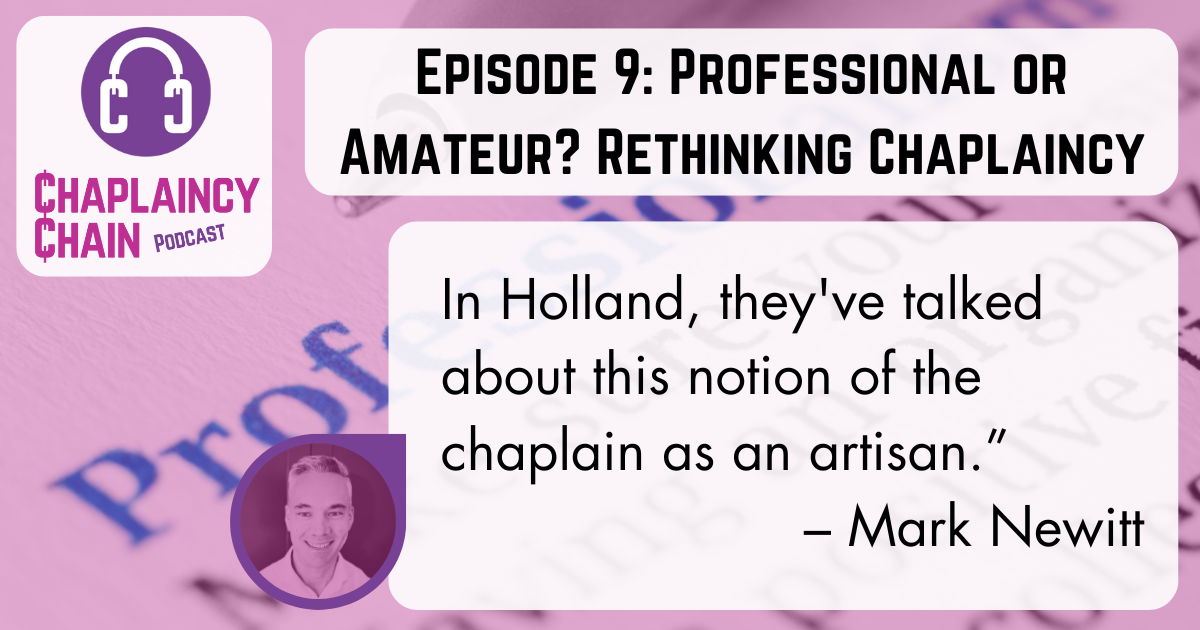

Is chaplaincy only “proper” when it comes with a job description, salary and badge – or is professionalism something deeper? This episode dives into the tensions between paid and volunteer roles, training and formation, boundaries and holy ground, and invites you to rethink what makes chaplains truly professional. If you’ve ever wondered whether you count as a professional chaplain, this one’s for you.
Listen
The Guests
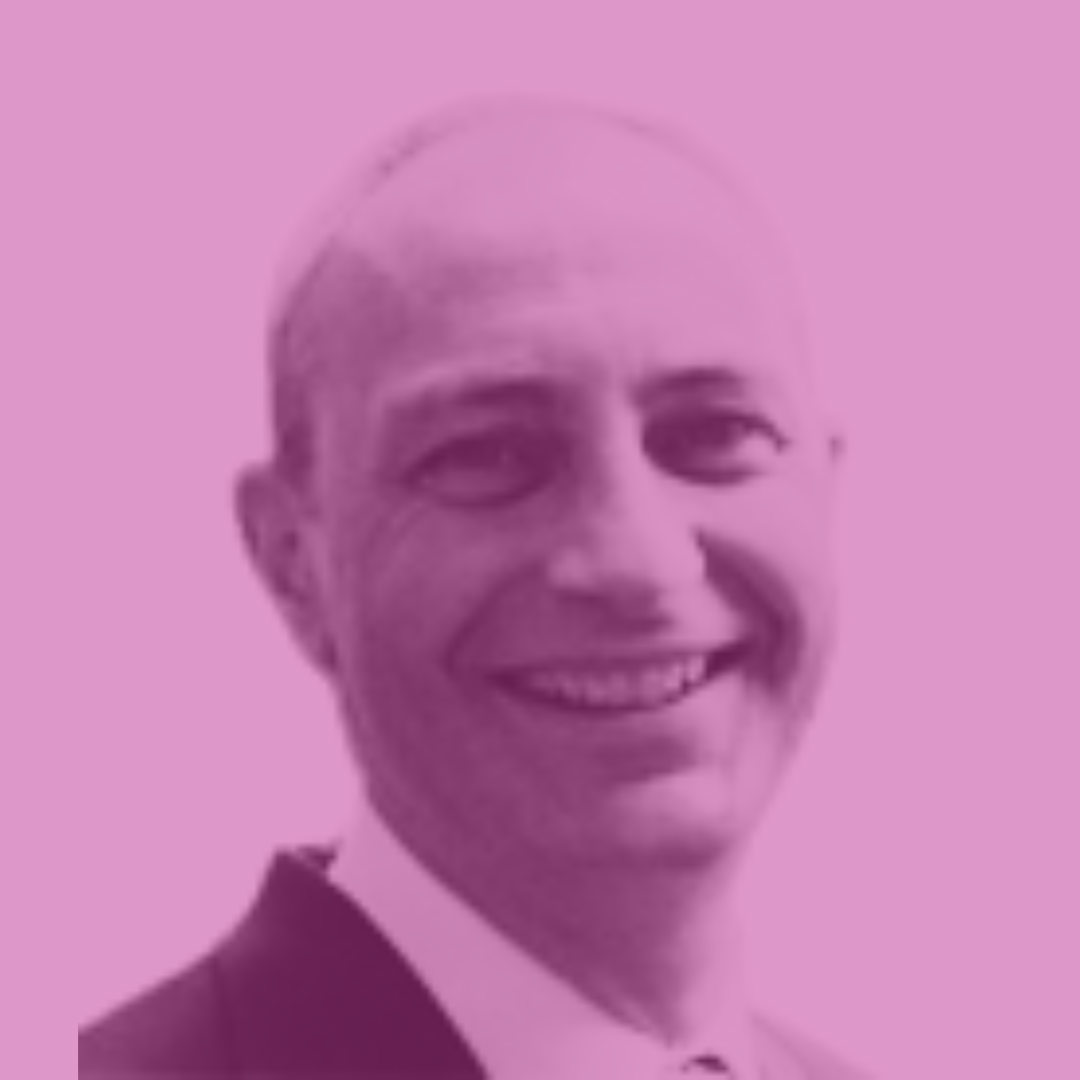
Matt Baker
Matt is National Director for England for Sports Chaplaincy UK & Ireland, a role he took on in 2020 having been the Pastoral Support Director in English Football since November 2009. Matt is also chaplain at Charlton Athletic FC, his local professional football club, where he has been involved since 2000. In 2012 Matt also served as a chaplain in the Athletes’ Village for the London 2012 Olympic Games.
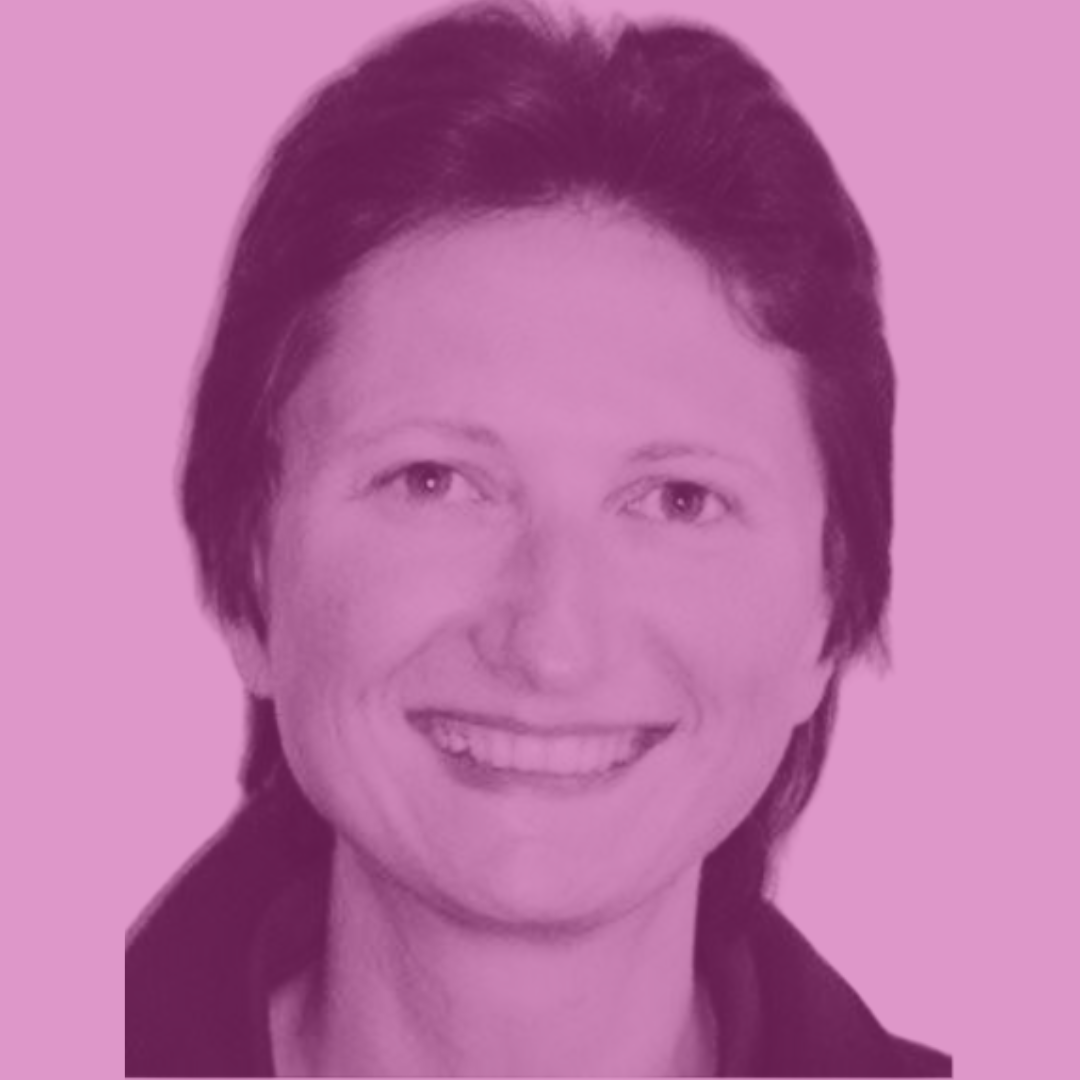
Monika Benitan
Monika works as Director of Chaplaincy Studies at St Padarn’s Institute, Cardiff and brings a wealth of pastoral and academic experience from a wide range of settings. She has led teams across various ministries, including serving as head of the English and Welsh branch of a children’s mission charity, diocesan advisor for adult pastoral formation and catechesis, and chaplain in both university and hospital contexts. Her ministry has also included work as a Street Pastor, lay preacher and catechist, director of a retreat centre in Wales, senior leader of a diocesan pastoral department focused on equipping clergy and laypeople for ministry, and a member of diocesan vocations teams.
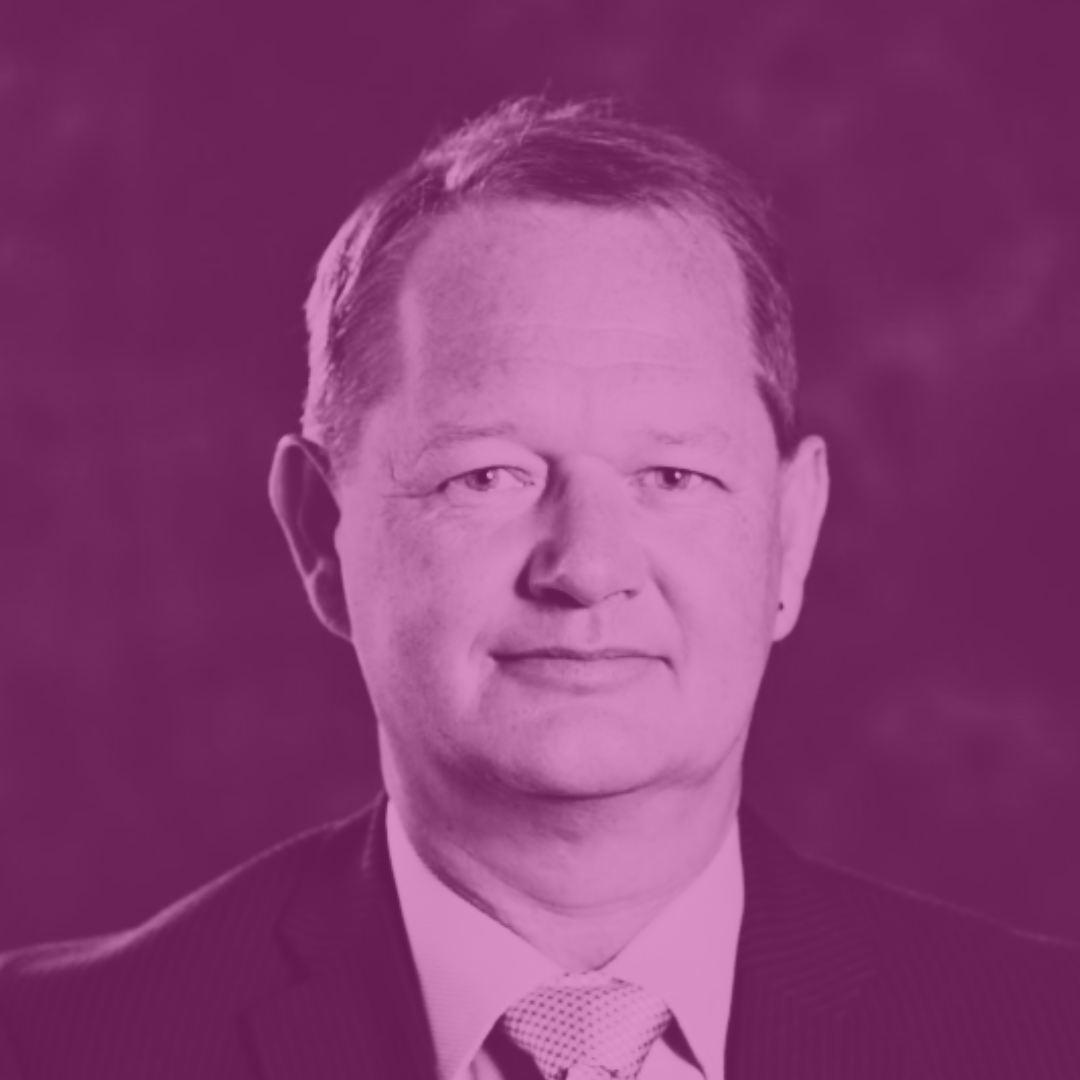
Mark R Evans
Mark started his working life as a staff nurse within Surgical High dependency and ITU in NHS Lothian and has since worked in a variety of health and social care settings. For the past 20 years he was Head of Spiritual Care and Bereavement Lead for NHS Fife. Mark was then appointed the National Lead and Professional Advisor for Spiritual Care within the Scottish Government. Recently Mark was appointed Head of Service for Spiritual Care & Bereavement Lead in NHS Lothian and continues as a Professional Advisor to the Scottish Government.
The Episode
-
Being professional / being a professional
How the team understand the difference between behaving professionally and being recognised as a professional within systems, pay structures and regulation. -
From ‘nice extra’ to recognised service
Shifts in prisons, healthcare and sport where chaplaincy has moved from being a bolt-on to being seen as a valued, accountable service. -
Volunteers, contracts and accountability
Why pay shouldn’t be the deciding factor, and how volunteers also need clear structures, expectations, supervision and support. -
Training, formation and the ‘artisan’ chaplain
Distinguishing between training (skills and knowledge) and formation (values, attitudes and integrity), and seeing chaplaincy as a craft learned alongside experienced practitioners. -
Values, boundaries and professional judgement
Shared values of integrity, respect, confidentiality and non-proselytising presence – and how chaplains use professional judgement rather than simply following tick-box procedures. -
The intentional use of self
How chaplains bring their whole selves, experience and spirituality into encounters in a way that serves the person in front of them. -
Institutions, sending churches and ‘whose ground?’
Navigating expectations from employers, sending churches and accrediting bodies while still standing on holy ground with those they serve. -
Ongoing CPD and future questions
Seeing the chaplain as the primary “tool” of the role, the importance of continuing professional development, and ideas for future conversations about recognition, pathways and impact.
Key Quotes
- “A lot of chaplains are volunteers. Are they also professionals or are they professional? What does that mean for them and those with whom they work?” – Sarah Lane-Cawte
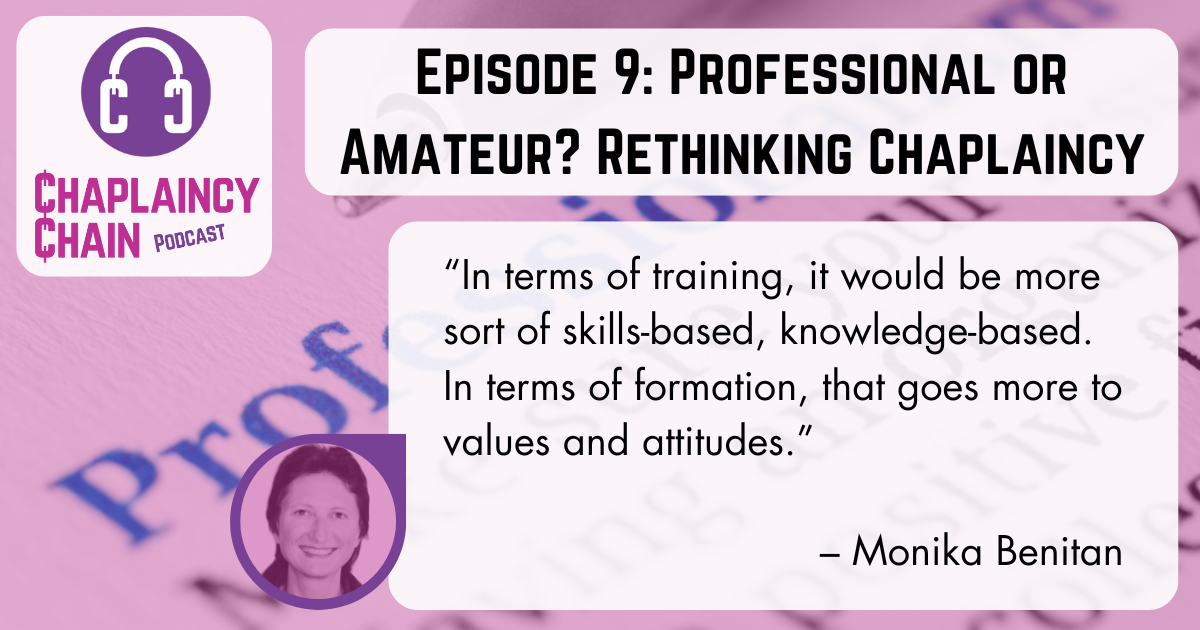
- “In terms of training, it would be more sort of skills-based, knowledge-based. In terms of formation, that goes more to values and attitudes in my perspective.” – Monika Benitan
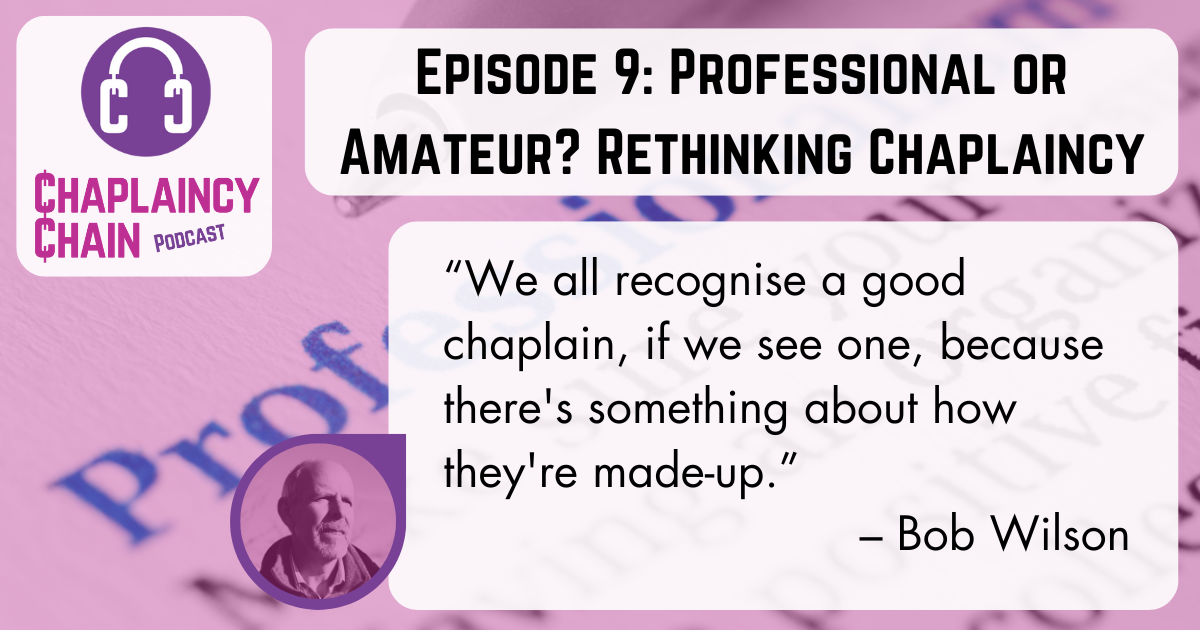
- “We all recognise a good chaplain, if we see one, because there’s something about how they’re made-up.” – Bob Wilson
- “In Holland, they’ve talked about this notion of the chaplain as an artisan.” – Mark Newitt
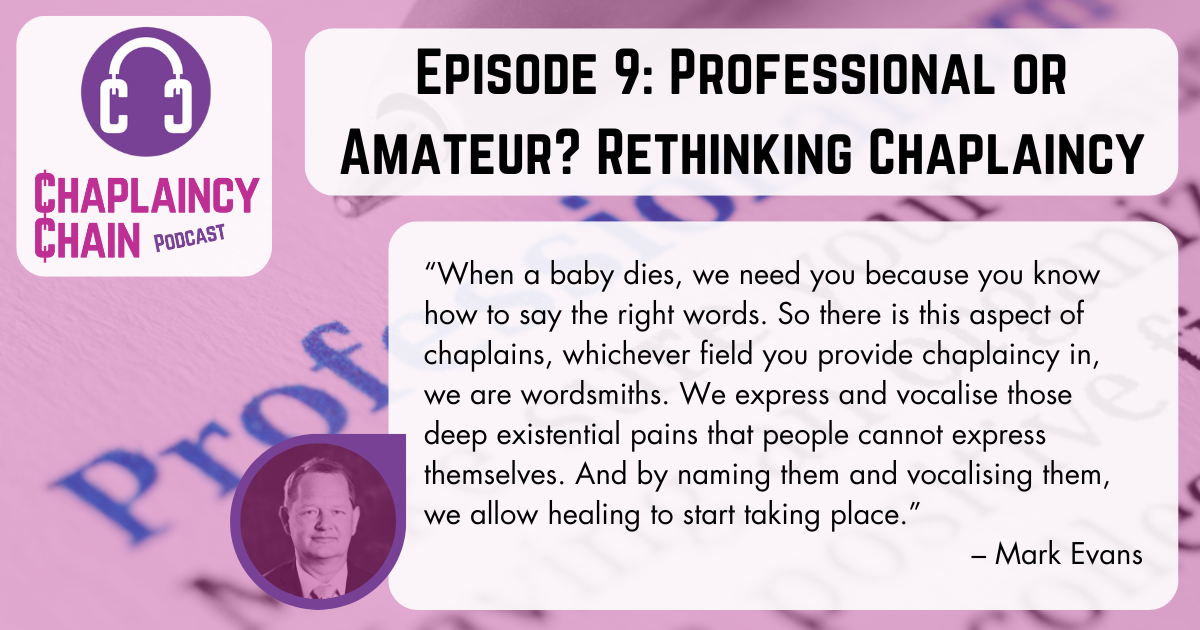
- “When a baby dies, we need you because you know how to say the right words. So there is this aspect of chaplains whichever field you provide chaplaincy in, we are wordsmiths. We express and vocalise those deep existential pains that people cannot express themselves. And by naming them and vocalising them, we allow healing to start taking place.” – Mark Evans
- “I expect you to use your professional judgment.” – Mark Evans
- “I recognise my use of self. I am the tool that is used in this encounter. So I need to make sure that I remain sharp…” – Mark Newitt
Help promote this episode
Help raise the profile of chaplaincy by promoting The Chaplaincy Chain Podcast. You might like to use some of these images in social media posts. You should be able to download and save them by right clicking on the image you would like to use. We really do appreciate any support in telling others!